


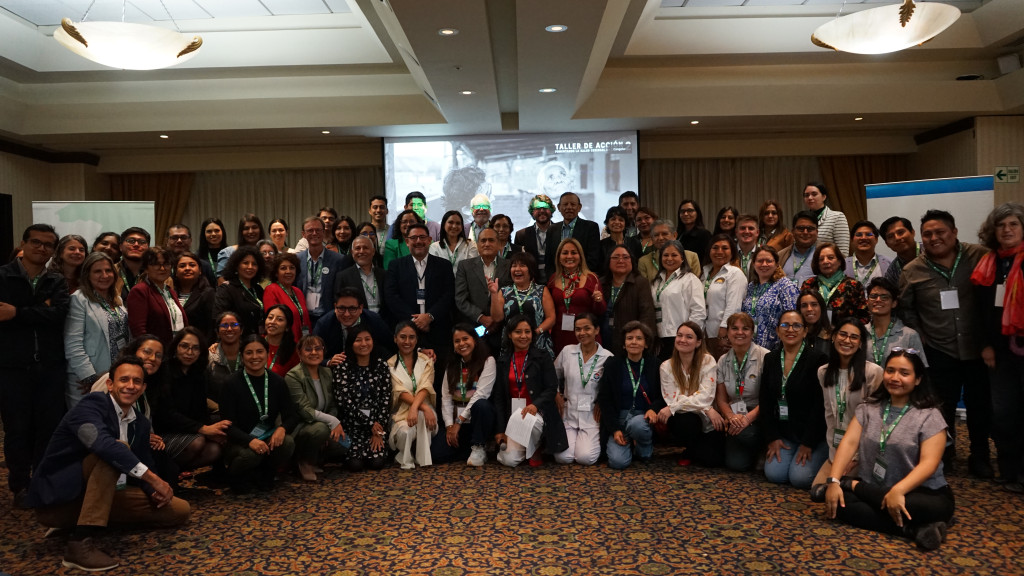
On May 12, the second Action Workshop: Promoting Brain Health in Peru took place, organized by IMPACT SALUD and the Global Brain Health Institute (GBHI) as part of the AAIC Satellite Symposium held in Lima.
The event brought together representatives from the Ministry of Health (MINSA), EsSalud, the Ministries of Social Inclusion and Development (MIDIS), Women and Vulnerable Populations, national and international academia, civil organizations, and caregivers. The goal: to advance a national brain health agenda focused on early diagnosis, prevention, and comprehensive care for cognitive decline.
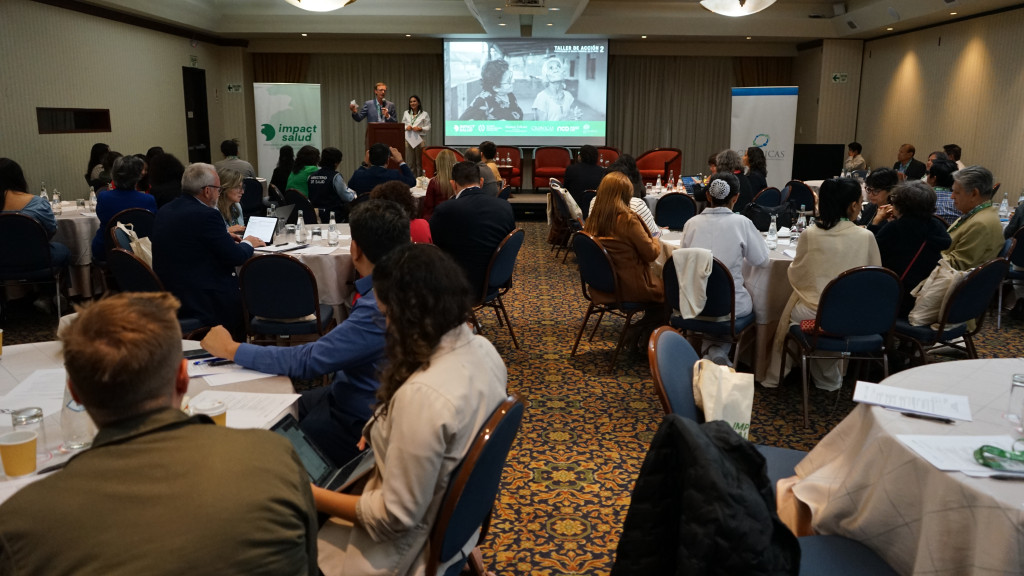
Opening Session: Progress and Challenges
Chris Butler (Imperial College London) and Kelly Tello (Universidad Peruana Cayetano Heredia), both from the IMPACT Salud project, opened the event by highlighting achievements from the first workshop and the commitment to sustained, multisectoral collaboration.
Progress was shared on technical documents related to the diagnosis and care of older adults, with contributions from Serggio Lanata (GBHI), Margarita Pinao (MINSA), Maritza Pintado-Caipa (GBHI), and Beatriz Mar Meza (GBHI). They emphasized the need for effective regulations and protocols tailored to the real needs of people with dementia and their caregivers.
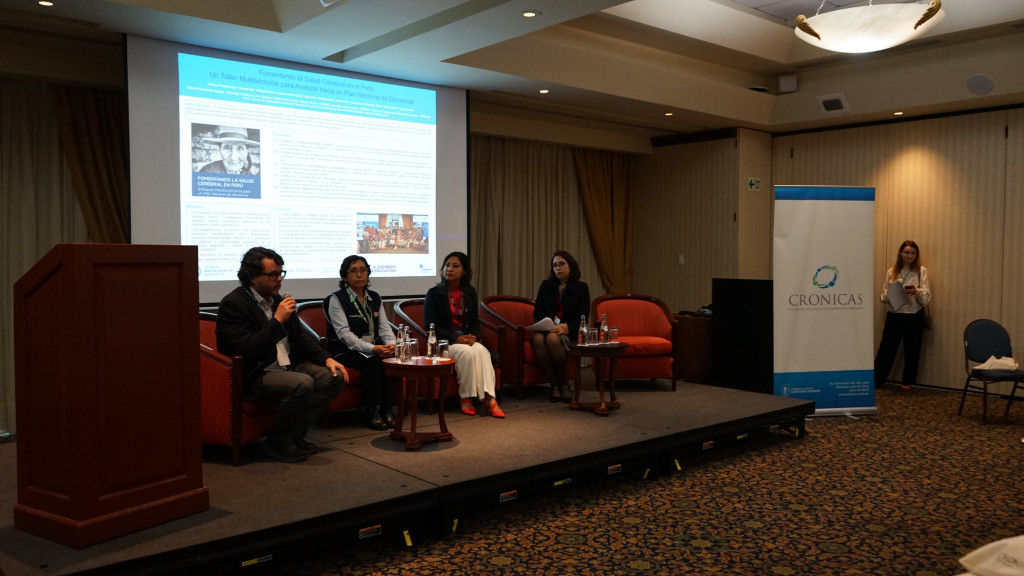
Multisectoral Perspectives: A Broad Approach to Care
The first part of this session brought together three key perspectives for addressing dementia. Andrea Slachevsky, a neurologist from the University of Chile, emphasized the importance of multisectoral collaboration for effective action. María Kathia Cárdenas, a health economist (Oxford, UPCH, IMPACT), presented the economic costs of dementia from both social and healthcare perspectives. Finally, Sergio Lanata, neurologist and faculty member at the Global Brain Health Institute (GBHI) at the University of California, San Francisco (UCSF), addressed prevention through behavior and social determinants.
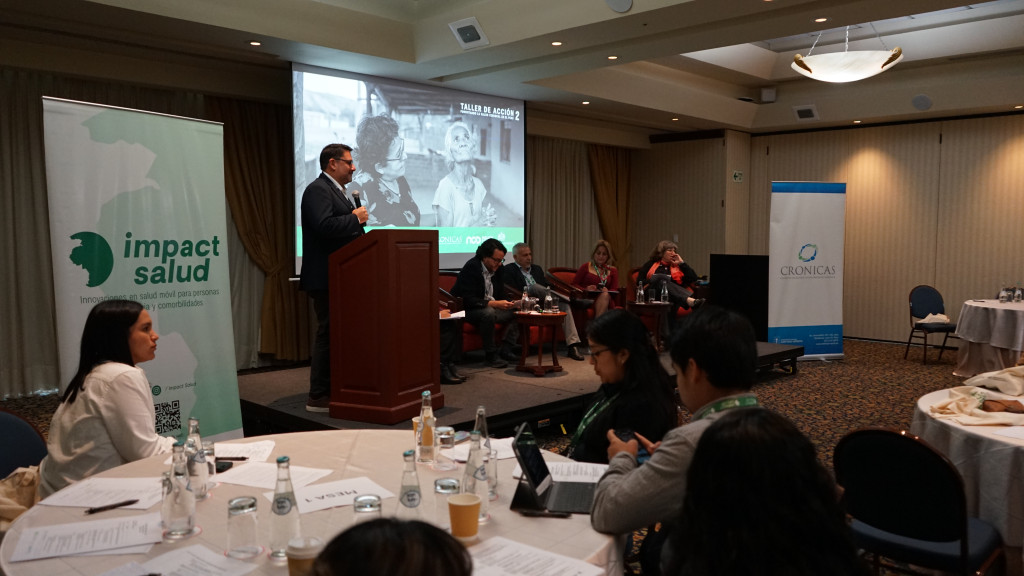
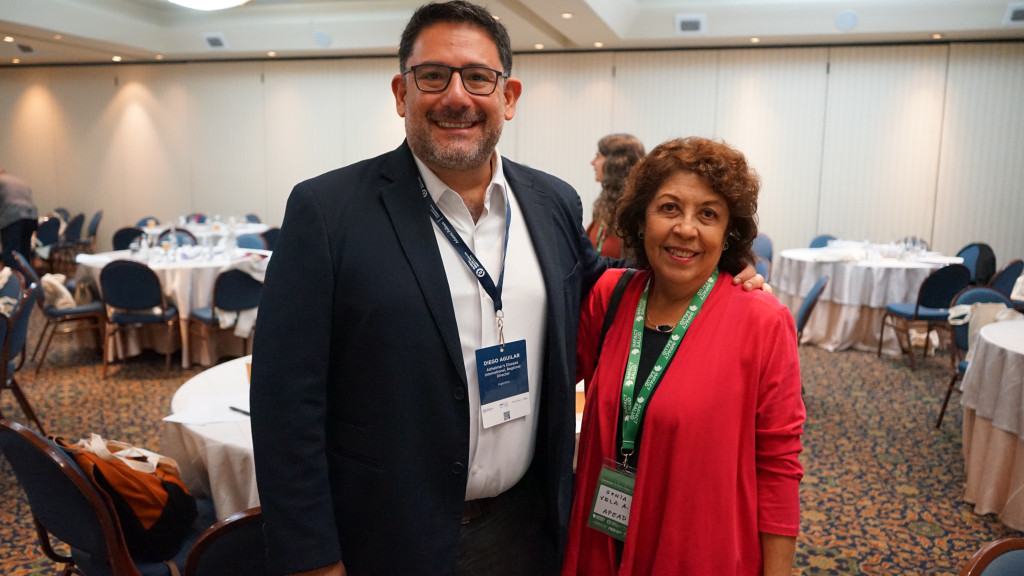
This was followed by a panel moderated by Diego Aguilar (Regional Director for the Americas at Alzheimer’s Disease International), where crucial topics were discussed
- Dr. Julio Mayca (Social Programs Director at MIDIS) highlighted the impact of programs like CUNA MÁS and Pensión 65 on child development and caregiver well-being.
- Dr. Tania Rodas (General Manager for Older Adults and People with Disabilities, MINSA) called attention to the fragmentation of the healthcare system and the urgent need for a life-course approach, emphasizing collaboration with the education sector.
- Margarita Pinao , representing the Mental Health Directorate of MINSA, acknowledged regulatory efforts and the challenges of implementation.
- Dr. Andrea Slachevsky (MINSAL, Chile) and Serggio Lanata (GBHI & UCSF) stressed the importance of viewing care as both a social and economic investment.
The panel concluded with a call to build a shared agenda that connects sectors and acknowledges the critical role of caregivers and communities.
Early Diagnosis: Scientific Advances and System Gaps
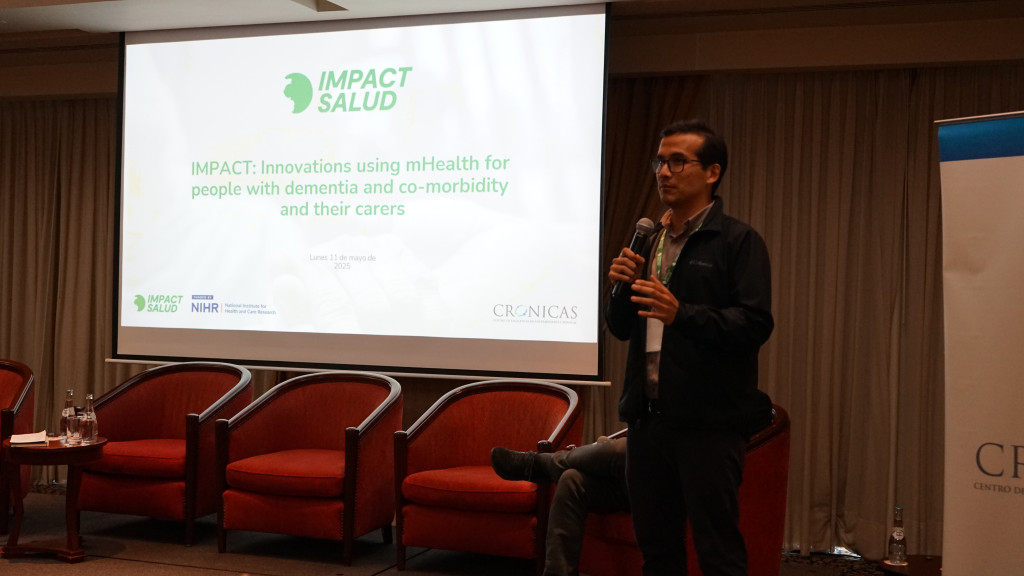
The session “Mapping Systems for Early and Accurate Diagnosis” featured insights from Dr. Serggio Lanata , who presented an ideal clinical model incorporating new technologies like blood biomarkers. Francisco Tateishi (IMPACT SALUD) discussed the fragmented and complex nature of the Peruvian health system and its impact on treating brain-related conditions.
Key conclusions included the urgency to standardize protocols, train personnel, and leverage community networks to educate and reduce the stigma surrounding dementia.
The Patient Journey: A Lens Into Systemic Gaps
In a session moderated by Beatriz Mar Meza, the ALBA Program (EsSalud) was presented as a model for integrated geriatric care. Daniela Rossini (IMPACT SALUD) shared mapping research on the "patient journey"—tracing the path of dementia patients from initial symptoms to continuous care. The study highlighted systemic gaps and areas for improvement. Rosaestela Gómez, a caregiver and activist co-leading Nietos Itinerantes, shared her powerful story—reminding attendees that caregiving is also a form of resistance and that caregivers need support, recognition, and tools.
Communicating to Care: Awareness-Raising Strategies
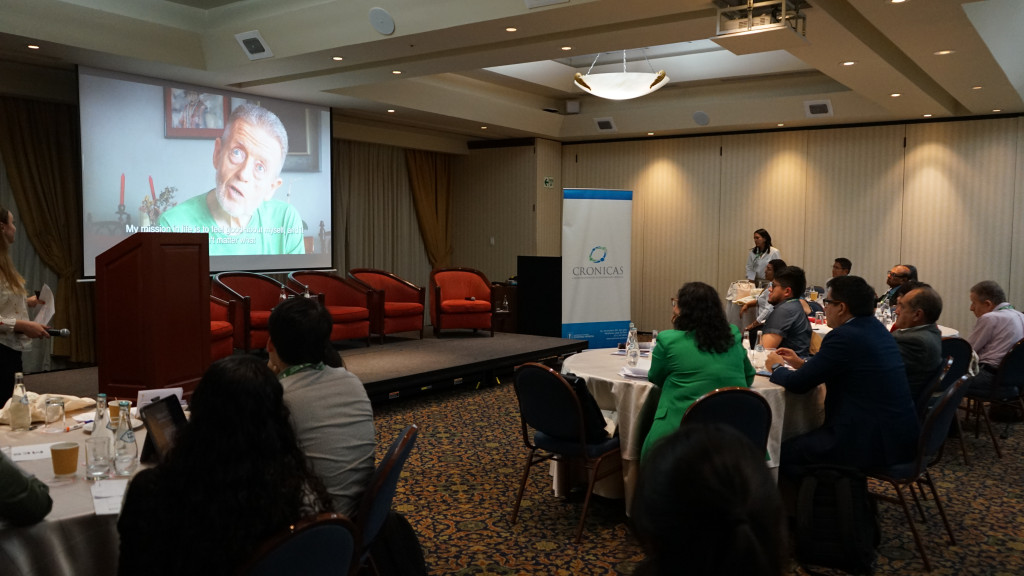
The final panel, facilitated by IMPACT SALUD, focused on how to communicate about dementia in an effective and sensitive way. Experiences such as Mente 360 (Koni Mejía), support groups in Arequipa (José Centeno), and community campaigns like GBHI’s (Maritza Pintado), along with the testimony of Raymond Feeney, highlighted the power of art and storytelling in communication and raising awareness.
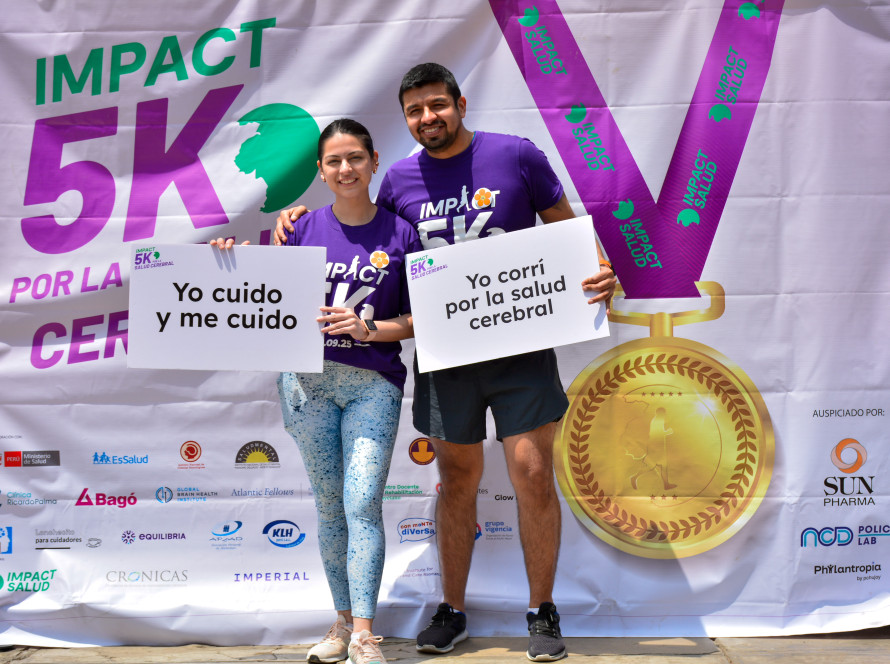
Matías Vega Norell, Communications Lead for IMPACT SALUD, proposed concrete actions: the ILUMINA webinar series, the #MeetMartha awareness campaign, and a walk to raise visibility for Alzheimer's and brain health.
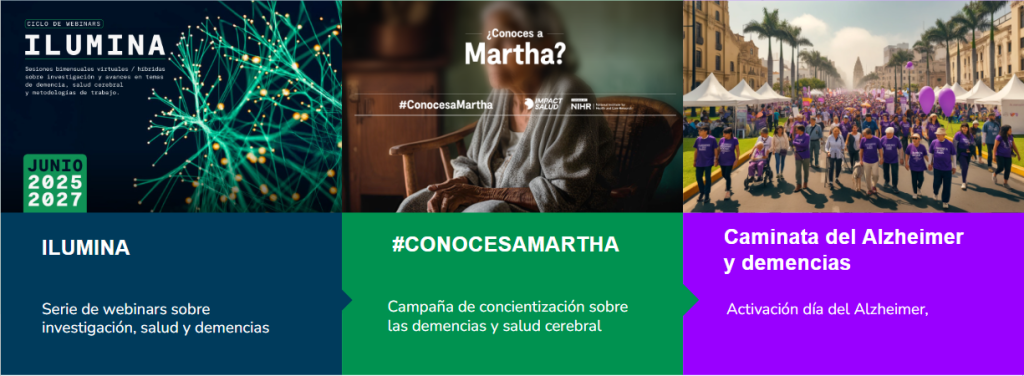
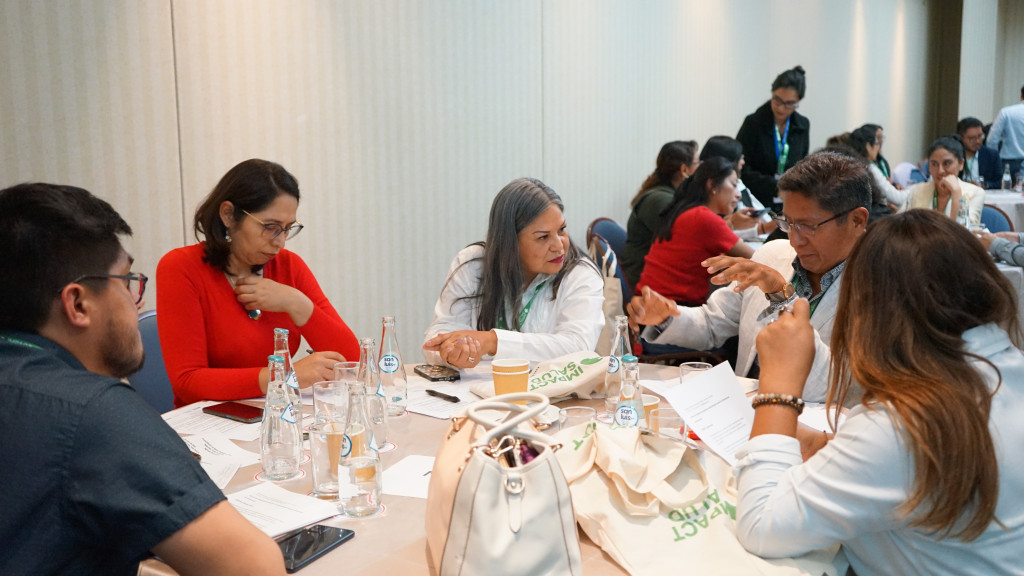
The day concluded with an invitation to collaborate with the proposed initiatives. You can click this link to explore ways to participate and support these efforts.
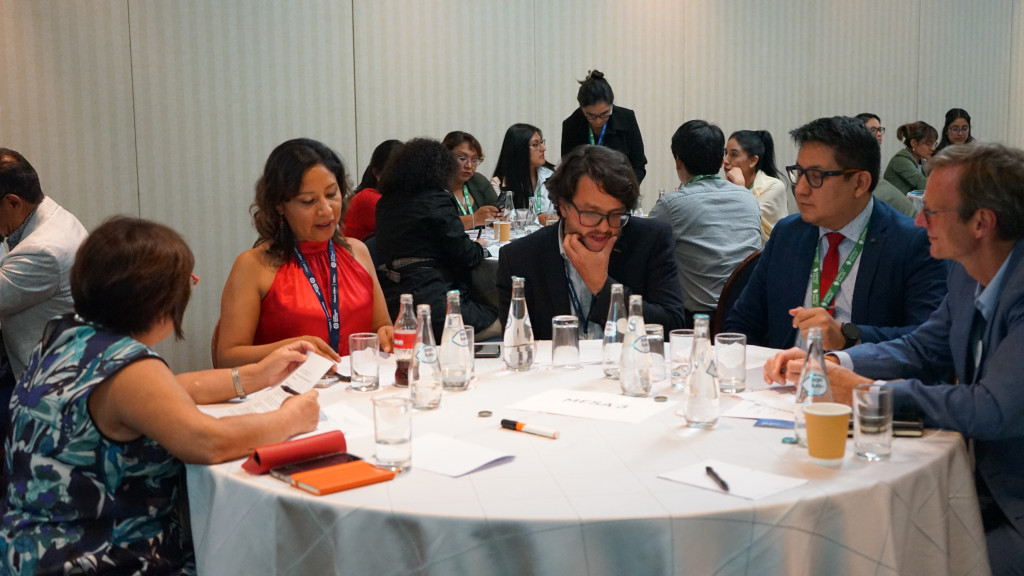
It ended with a participatory session where ideas for materials, messages, and communication channels were shared—reinforcing the belief that to communicate is also to care.
✨ Conclusion
This second workshop delivered a clear message: Brain health must be a national priority—addressed from childhood through old age with prevention, timely diagnosis, and people-centered care.
The road ahead requires convergence among all sectors represented at the workshop—coordination, investment in training, civic participation, and bold public policies.
At IMPACT SALUD, we remain committed to promoting dialogue and action to transform brain health in Peru—and we’ll be offering concrete opportunities for collaboration through communications initiatives in the coming months.
 English
  Spanish